Who are the people behind the lectern? Did they appear one day to discuss t-tests and theories, and then disappear into the ether? It turns out that faculty are people too! The Department of Psychology strives to create a culture replete with high quality research and teaching. To foster that culture, the “meet the faculty” series is designed to give students an idea of what leads one to pursue a career aligned with this culture.
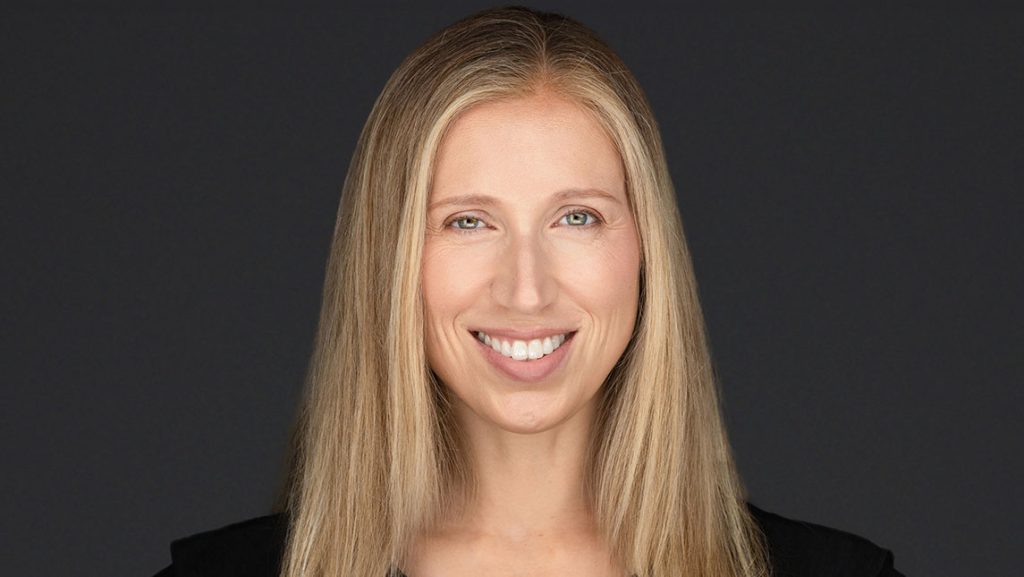
Let’s meet one of our newest faculty members, Dr. Danielle Weber. Dr. Weber joined the Department of Psychology in the Spring 2025 semester and is aligned with the clinical psychology area. Dr. Weber spent a lot of her childhood in Stafford Virginia. She completed her undergraduate education at the College of William and Mary and then earned a terminal Masters degree in Psychology from American University. Dr. Weber received a Ph.D. in Clinical Psychology from the University of North Carolina at Chapel Hill. You can visit Dr. Weber’s lab website for more information about her research: https://coupleslabuncg.weebly.com/.
Research Background and Interests
What inspired you to become a psychology professor?
The beauty of being trained as a psychologist is that you learn how to do many things, including research, teaching, mentorship, and (if a clinical psychologist) clinical work. I discovered in graduate school that I really valued the variety of being able to go to my office and write up the results of a research study in the morning and then go teach a class in the afternoon. Being a psychology professor strikes the right balance of all that I love to do in this profession.
Can you describe your research area and interests?
I’m a clinical psychologist who specializes in committed relationships. My research is focused on illuminating the role of relationships in our lives, specifically: (a) how couples function over time, particularly across challenging periods of transition; (b) how relationship functioning impacts and is impacted by the mental and physical health of each partner; and (c) the impact of environmental stressors on relationship functioning. I also aim to use these basic research findings to enhance clinical interventions aimed at improving well-being.
Are there any publications or work of which you’re particularly proud?
There is a publication that I led focused on how couples communicate about cancer and how that is related to their relationship and individual adjustment: https://doi.org/10.1093/abm/kaad017. I think I’m particularly proud of that project because it involved coordinating the efforts of researchers across multiple institutions (across two different countries and four different time zones). I was able to train and direct the efforts of some of our research team across different institutions to prepare the data, learn new statistical skills under the mentorship of another researcher on the team, and then write the paper during a busy time of my career with a large team of co-authors. This study is also an important illustration of my interest in understanding how couples communicate about tough topics and how these communication styles can have real impacts on people’s lives.
Working and Teaching at UNCG
What drew you to joining the Psychology Department at UNCG?
As someone who studies relationships, I know that feeling supported is really key to success! When I came to interview, I was really struck by how supportive and collegial of a department it is. I saw the resources and support necessary for me to do the research I wanted to do. I also knew it was an environment where I could teach classes that excited me to students who wanted to learn. I was also excited to have the chance to closely mentor graduate students in UNCG’s excellent PhD program in Psychology.
Do you have a favorite course that you teach?
I really do enjoy teaching a variety of courses, but I would say I have especially enjoyed teaching Adult Psychopathology for undergraduate students. Given the societal stigma there is around mental health concerns and therapy, I love the opportunity to dispel myths about mental health and help students gain a deeper understanding and compassion for those who experience mental health challenges. Also, this was the first class I taught when I was given the opportunity to teach my own class in graduate school, so my experiences teaching that course helped me discover who I want to be as an instructor.
What advice would you give to students aspiring to a career in your area?
Psychology is a relatively new science and there is so much to learn about many aspects of human functioning/flourishing. If you’re interested in psychology as a career, don’t just take the classes…get involved in a research lab! My first psychology professor in college gave me that advice and I’m so grateful that I reached out to a professor whose research interested me and joined as a research assistant in my undergraduate lab. Getting that research experience will tell you if graduate training in psychology could be a good fit for you.
Fun Facts!
What do you like to do outside of work?
I love to read, watch shows, go on walks with my family and dog, and try new recipes.
What’s something most people don’t know about you?
As a kid, I wanted to be an actor. When my mom asked me why, I told her I liked “putting myself in other people’s shoes” (which I guess should come as no surprise given what I ended up doing!). In high school I took one of those quizzes designed to help you think about possible careers, and one of the options that came up for me was a psychologist. That made me curious, so I took a psychology class as a freshman seminar in college. The rest is history!
Could you share a favorite movie, book, or band that you would recommend to others?
It’s very hard to choose! I’ll go with one of my favorite books I read in the last year. A few months after giving birth to my daughter, I read More: Life on the Edge of Adventure and Motherhood by Majka Burhardt. It’s a memoir about being a new parent while trying to advance in your career. The author wrote detailed journals about her experiences in early parenthood and then converted those journal entries into a memoir, so it’s not a write-up about things long after they happened (like most memoirs), but snapshots of rather raw reflections about the challenges and joys of being a working parent. It’s quite powerful.