Who are the people behind the lectern? Did they appear one day to discuss t-tests and theories, and then disappear into the ether? It turns out that faculty are people too! The Department of Psychology strives to create a culture replete with high quality research and teaching. To foster that culture, the “meet the faculty” series is designed to give students an idea of what leads one to pursue a career aligned with this culture.
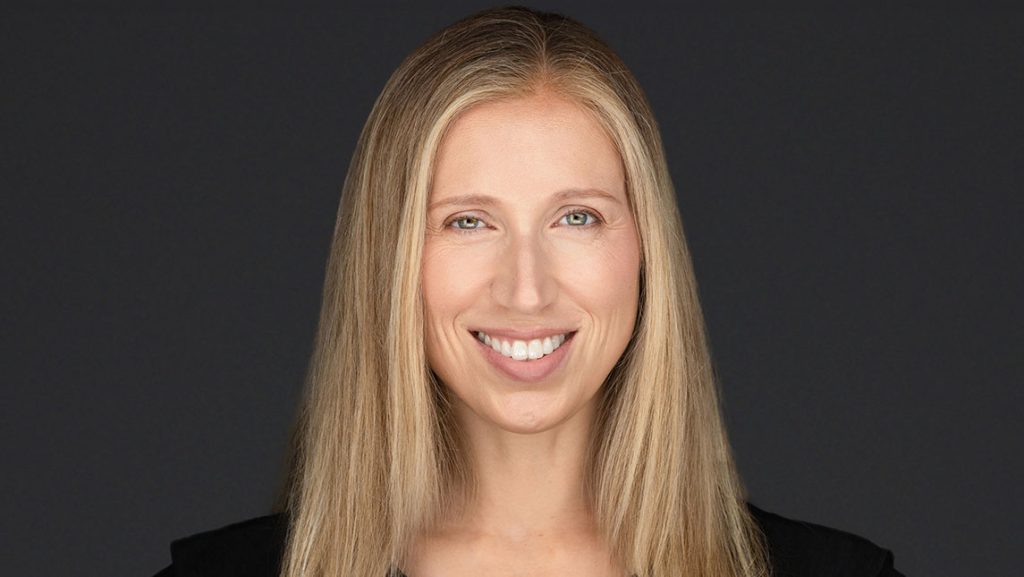
Let’s start the semester off right by getting to know Dr. Kari Eddington. Dr. Eddington joined the Department of Psychology in the 2008. She is aligned with the clinical psychology area. Dr. Eddington is originally from Indiana (in addition to Illinois, Texas, and Indiana again – ask!). She earned her undergraduate degree from Purdue University and her graduate degree from Indiana University. If you’re wondering how one identifies having gone to rival schools, Dr. Eddington says, “…make no mistake, I AM a Boilermaker.” You can learn more about Dr. Eddington’s research at her lab website.
Research Background and Interests
What inspired you to become a psychology professor?
My 6th grade science project on the relationship between color preference and personality (don’t ask) was where it all began. I was always interested in understanding individual differences and what makes people “tick.” I told my high school AP Psychology teacher that I wanted to become a psychologist and she told me, “Psychology is a dying field.” Maybe subconsciously I wanted to prove her wrong!
Can you describe your research area and interests?
Broadly, I am interested in motivational processes and the impact of motivational deficits on emotion (specifically, depression). We know that when people are depressed, everyday tasks feel like more of an effort than they should be. When we are depressed, we don’t look forward to things, and we tend to lose our sense of self-efficacy and, in turn. People have a fundamental need to feel competent and effective, so when this motivational system breaks down during depression, it can be difficult to bring the system back online.
My lab focuses on one key aspect of motivation, how people set and pursue important personal goals. It’s very complex process because people have many goals that they are pursuing at the same time. Our research examines factors that both help and hinder effective goal progress. We are also interested in developing and testing strategies that can help people who are struggling with depression be more effective in their goal pursuit.
We have also begun a new line of research more recently, focused on how mental health problems impact people’s sense of self. One of my grad students and I wrote a scoping review paper on “mental illness identity” and have been working on refining a measure of this construct. We have ongoing projects looking at how people with mental health concerns differ in the extent to which their mental health symptoms are tied to their identity, and how identity is related to receiving a mental illness diagnosis.
Are there any publications or work of which you’re particularly proud?
I worked on a study in grad school that my doctoral committee would not let me use as a dissertation. I spent countless hours pulling BDI scores from paper files in a community behavioral health center because we thought it was so important to share the data with the world. It was a real labor of love and it’s been cited 257 times. (My dissertation never got published.)
Working and Teaching at UNCG
What drew you to joining the Psychology Department at UNCG?
It honestly just felt like home when I interviewed. The strong sense of collegiality really stood out to me, and there was a clear commitment to conducting high quality research (quality over quantity). As a trained clinical psychologist who had been actively practicing as a clinician in my previous position, I was very impressed that all the core clinical faculty members regularly supervise graduate trainees who are learning to do assessments and therapy. That sends a clear message that the faculty are committed to the integration of science and practice, which was an important value for me as a professional. I’ve been here now for almost 19 years. A lot has changed over that period of time, but the things that drew me here have remained steadfast.
Do you have a favorite course that you teach?
I developed a PSY 419 course on Motivation and Psychopathology. This is my research area so of course I love it for that reason. But it’s also a small class and I can get to know the students in a more intimate classroom setting.
What advice would you give to students aspiring to a career in your area?
Fun Facts!
What do you like to do outside of work?
I read an article recently about a “key to success”– getting help from other people. You don’t have to figure it all out yourself, and you don’t always have to be the one coming up with the best ideas. Ask questions; ask for help and feedback.
What’s something most people don’t know about you?
Most evenings and weekends you’ll find me on a tennis court. I also love hiking and camping. If you ever want to chat about hiking trails or camping spots, I love to hear about new places!
Could you share a favorite movie, book, or band that you would recommend to others?
This isn’t a movie, but the BBC nature films are fantastic – my favorite is the South Pacific series.