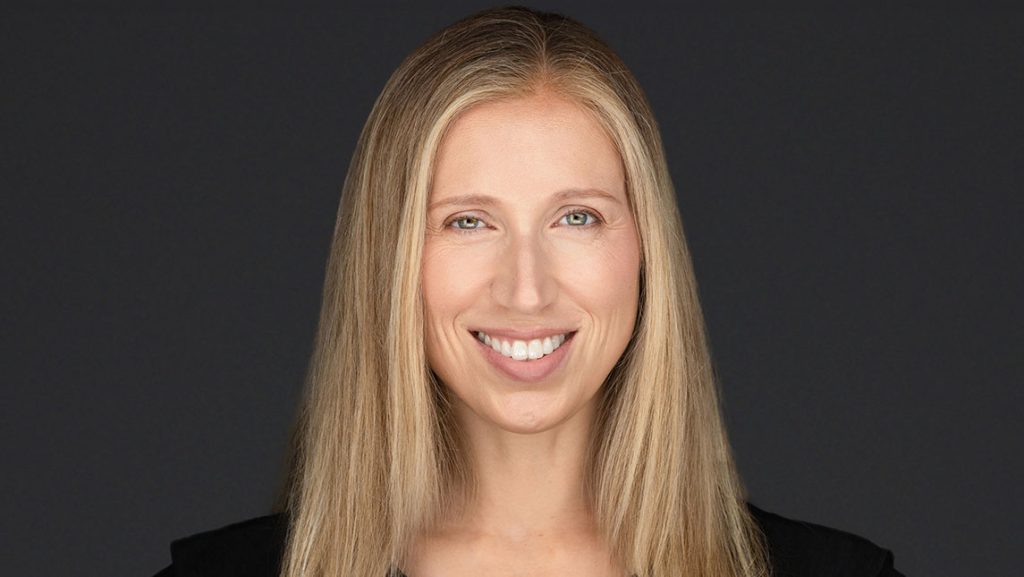
Who are the people behind the lectern? Did they appear one day to discuss t-tests and theories, and then disappear into the ether? It turns out that faculty are people too! The Department of Psychology strives to create a culture replete with high quality research and teaching. To foster that culture, the “meet the faculty” series is designed to give students an idea of what leads one to pursue a career aligned with this culture.
Let’s meet one of our developmental area faculty, Dr. Janet Boseovski. Hailing from Toronto, Canada, Dr. Boseovski completed an undergraduate degree at the University of Toronto, an M.A. at McGill University, and a Ph.D. at Queen’s University (that’s in Canada and *not* Charlotte, by the way!).
You can visit Dr. Boseovski’s lab website for more information about her research: https://www.duck-lab.com
Research Background and Interests
What inspired you to become a psychology professor?
As an undergraduate, I initially thought I might take the medical school route, but I found myself increasingly interested in a different level of analysis – understanding the human mind and behavior. A cognitive development course sealed the deal for me. I thought it was fascinating that we could document, scientifically, how we become who we are.
Can you describe your research area and interests?
I study children’s social judgments and decision making, including how they attribute personality traits such as niceness or intelligence to others, their perceptions of wealth, status, and hierarchies, and most recently, body image development. I’ve also established a long-term research partnership at the Greensboro Science Center (GSC), where my lab Co-Is and I, with an amazing team of students, examine how children and their families interact with and learn from the GSC exhibits.
Are there any publications or work of which you’re particularly proud?
I try not to attach strong feelings to my publications because there is so much that is out of your control when you’re putting your work out there. That said, I was invited to write a theoretical paper for Child Development Perspectives about my research on children’s positivity bias (Boseovski, 2010) that boosted my self-efficacy as an Assistant Professor and first-generation university student. Dr. Steve Reznick, who sadly since passed away, was Associate Editor of the journal at the time and not only an excellent scholar but he exuded warmth and encouragement that is often lacking in academia. That paper also helped me sort through some ideas that formed the basis of a successful NIH grant application.
Working and Teaching at UNCG
What drew you to joining the Psychology Department at UNCG?
This isn’t a simple question to answer because I’m part of an academic couple with a partner who is also a developmental psychologist, and it was very rare at that time (and is still, though to a lesser degree) to end up in the same university and department. Ultimately, I was fortunate to be competitive on the job market at a time when UNCG was also hiring, and among the job offers that I received, I knew that it was the right fit for me due to its identity as a research department with a strong commitment to mentorship and teaching. During the interview process, I knew that I would be joining amicable and highly accomplished colleagues.
Do you have a favorite course that you teach?
My current favorite course to teach is my new course on body image development. I’m excited about it because it’s based in part on a book that I wrote that approaches the topic from a scientific perspective. Body image is often seen as a “fluff” or niche topic, in part because there are a lot of pop psychology books and pseudoscience around it, but the reality is that it has serious implications for people’s psychological and physical well-being. Negative body image has been deemed a public health crisis by experts in the field.
What advice would you give to students aspiring to a career in your area?
Get hands-on experience in a developmental research lab to determine if this is really what you want and talk to graduate students who are immersed in graduate training about the curriculum and how they spend their time. Ask faculty about their jobs (as most students, including graduate students, see a snapshot of all that we do). Don’t listen to embittered podcasters who present a highly negatively biased view of academia or those who present an idealized version of it, either. There are pros and cons to every kind of career, and the professors that I know will be forthcoming about them because we want students to pursue the path that’s right for them, whether in academia or elsewhere.
Fun Facts!
What do you like to do outside of work?
I enjoy weightlifting (especially deadlifting), running, attending live music shows, listening to various podcasts, and reading mostly about health and wellness these days.
What’s something most people don’t know about you?
I have a certification as a behavioral health coach and am perpetually trying to find time to complete one as a personal trainer, purely for my own edification.
Could you share a favorite movie, book, or band that you would recommend to others?
A recent favorite fiction book is Atmosphere by Taylor Jenkins Reid. For nonfiction, I got a lot out of Shift: Managing Your Emotions – So They Don’t Manage You by psychologist Ethan Kross. Band wise, I cycle through phases, but consistently go back to 90’s grunge, with Pearl Jam and Soundgarden as favorites. I try to follow Eddie Vedder wherever he performs.